


Views: 0 Author: Site Editor Publish Time: 2025-07-28 Origin: Site


Steel coils are long, continuous sheets of steel that are wound into a cylindrical shape, making them easy to transport and store. They are a versatile material used in a wide range of industries, from construction to automotive. Steel coils are produced through a series of rolling processes, with the choice of process depending on the desired properties of the final product.
The journey from slab to steel coil involves several key steps:
Starting with Steel Slabs: The process begins with a steel slab, a thick, flat piece of steel that is heated to high temperatures.
Hot Rolling: In hot rolling, the steel slab is heated above its recrystallization temperature, making it more malleable. It is then passed through rollers to reduce its thickness. This process produces rougher surfaces and is ideal for large-scale applications where fine precision is not required.
Cold Rolling: Unlike hot rolling, cold rolling is done at room temperature. The steel is passed through rollers to further reduce thickness and refine its surface. Cold-rolled coils have a smoother finish, more precise dimensions, and higher strength, making them perfect for applications requiring tight tolerances, such as automotive and appliance manufacturing.
Winding into Coils: Once the steel reaches the desired thickness, it is wound into coils, which are then ready for further processing.
After the coils are formed, they can undergo additional processes like:
Slitting: Cutting the coil into narrower strips to meet specific application requirements.
Coating: Coating processes such as galvanizing (zinc coating) or electro-galvanizing are applied to prevent corrosion, especially for use in outdoor or high-moisture environments.
Cutting or Shaping: The coils can be further shaped or cut to fit particular product designs or dimensions.
Steel coils are used in various industries due to their strength, durability, and ability to be tailored to specific needs. Whether used as structural components in construction or in the production of automotive parts, steel coils provide a reliable and flexible solution for many manufacturing processes.
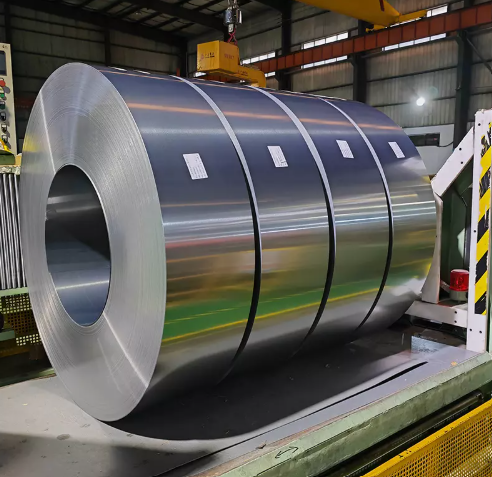
Steel coils are made from a variety of materials, each chosen for its unique properties. The most common materials used include:
Carbon Steel: Known for its strength and durability, carbon steel is widely used in construction, automotive parts, and pipes.
Stainless Steel: With its excellent corrosion resistance, stainless steel is ideal for applications requiring strength and resistance to environmental factors, such as appliances and medical devices.
Aluminum: Lightweight and corrosion-resistant, aluminum steel coils are often used in automotive parts, packaging, and consumer electronics.
The choice of material influences the coil's application. For example, carbon steel is best for structural components, while stainless steel is preferred for high-end appliances or environments prone to corrosion.
Cold rolled steel coils are produced by further processing hot rolled steel sheets at room temperature. The steel is passed through rollers to reduce thickness, creating a smoother surface. This process results in a material that is more precise and has better surface quality.
Cold rolled steel coils are commonly used in the automotive industry for parts such as door panels and fenders due to their superior strength and appearance.
Hot rolled steel coils are produced by heating steel above its recrystallization temperature. This makes the steel more malleable, allowing it to be shaped into thicker sheets. The steel is then passed through rollers to achieve the desired thickness.
Hot rolled coils are ideal for construction applications where thicker steel is required, such as steel frames and structural components.
Coated steel coils are made by applying protective coatings to either hot rolled or cold rolled steel. Common coatings include galvanizing (coating with zinc) and electro-galvanizing, which protect the steel from corrosion.
These coated coils are widely used in automotive and construction industries, providing extra durability and resistance to rust and weathering.
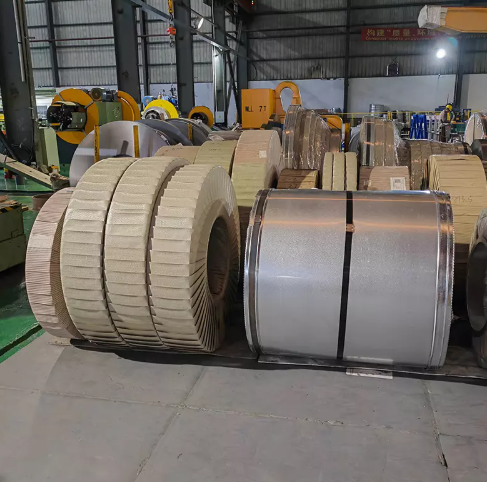
Steel coils are widely used across numerous industries due to their strength, versatility, and ease of processing. Let’s take a closer look at some of the key applications:
Construction: In the construction industry, steel coils are used for a variety of structural components. They are commonly found in roofing sheets, building panels, and floor decks. Steel coils are also essential for reinforcing bars (rebars), columns, beams, and even pipes. Their durability, resistance to weathering, and ease of shaping make them perfect for these applications.
Automotive: The automotive industry relies heavily on steel coils to manufacture car bodies, chassis, engine parts, and more. Cold-rolled steel coils, in particular, are used for parts like doors, fenders, and panels due to their smooth surface and precise dimensional tolerances. The high strength-to-weight ratio of steel ensures that vehicles are not only safe but also fuel-efficient.
Appliances: Steel coils are a critical component in the production of household appliances. From refrigerators to washing machines and ovens, steel coils are used for creating structural parts such as doors, drums, and frames. Coated steel coils, like those galvanized to prevent corrosion, are commonly used in appliances to ensure longevity and resistance to wear.
Pipe Manufacturing: Steel coils are crucial in the production of pipes, especially in the case of ERW (Electronic Resistance Welding) pipes and seamless pipes. The process begins with a steel coil being unrolled and shaped into a pipe. This is particularly important for cold-forming pipe manufacturing, as it avoids the need for high-temperature furnaces, reducing internal stresses and enhancing the strength of the final product.
Steel coils are indispensable in modern manufacturing, contributing to the production of essential items across various sectors. Their ability to be easily processed, shaped, and used in a variety of applications makes them one of the most crucial materials in industries worldwide.
Steel coils offer several significant advantages that make them an essential material in many industries. Here are some key benefits:
Steel coils are incredibly adaptable. Whether for automotive parts, construction materials, or household appliances, steel coils can be shaped and processed to fit various needs. Their flexibility makes them ideal for a wide range of applications.
One of the most appealing features of steel coils is their recyclability. Steel is an eco-friendly material, and steel coils can be recycled endlessly without losing their strength or quality. This helps reduce waste and promotes sustainability.
Steel coils are not only durable but also cost-effective. They offer long-lasting strength at a lower production cost, making them an affordable choice for industries looking to maintain a balance between quality and expense.
Steel coils are easy to work with, whether you need to bend, cut, or shape them. This ease of processing allows for customized solutions tailored to specific needs, ensuring efficiency in manufacturing.
After steel is rolled into coils, it undergoes several processing steps to enhance its properties. First, slitting is done to cut the large coils into narrower strips, tailored for different uses. Next, galvanizing involves coating the steel with zinc to protect it from corrosion. Other coating methods, like electro-galvanizing, can also be applied to improve the coil's durability and appearance.
Steel coilsare often customized to meet specific needs. Manufacturers can adjust dimensions—such as width, thickness, and length—based on the intended application. Additionally, finishes like paint or plastic coatings can be added to improve surface quality or offer extra protection. Customizing steel coils ensures they meet the exact requirements of industries like automotive, construction, and manufacturing.
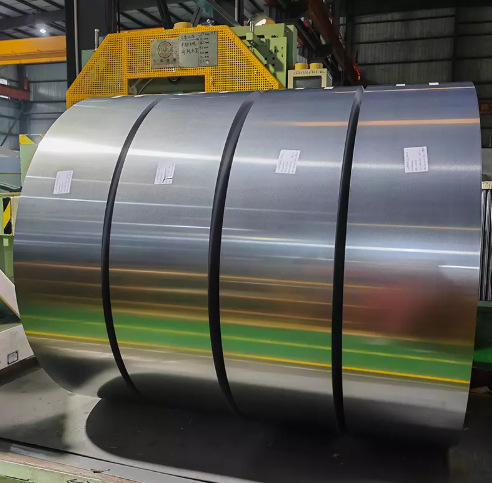
Transporting steel coils presents unique challenges. Due to their size and weight, special equipment is required to handle and move them efficiently. Coils must be secured properly to prevent any damage during transit, and improper handling can lead to delays and added costs.
Challenges: Steel coils are heavy and bulky, making their transportation complex. They require heavy-duty equipment and precise handling to avoid deformation or damage.
Methods of Transportation:
Cranes: Used for lifting coils within factories or storage areas.
Flatbed Trucks: Commonly used for road transport, offering the ability to carry large, heavy coils.
Shipping: For long-distance transport, steel coils are often loaded onto cargo ships, secured to prevent shifting during transit.
Steel coils need special care throughout the entire transportation process to ensure they arrive safely at their destination.
Steel coils are versatile materials used across many industries, including automotive, construction, and packaging. They are made through cold or hot rolling processes and come in various types, including coated coils for corrosion resistance. Steel coils provide strength, durability, and flexibility, making them ideal for numerous applications. Proper handling and transportation are crucial due to their size and weight. Whether in manufacturing or construction, steel coils play a key role in modern industries.
A: Steel coils are used in various industries, including automotive, construction, and appliances. They are used to create car parts, structural beams, metal roofing, and appliances like refrigerators and washing machines.
A: Steel coils come in three main types: cold rolled, hot rolled, and coated coils. Cold rolled coils are thinner and more precise, hot rolled coils are thicker and suitable for construction, and coated coils provide corrosion resistance.
A: Steel coils are processed through rolling methods—cold or hot rolling. Cold rolling refines the surface and improves precision, while hot rolling is used for thicker materials. After rolling, steel coils may undergo coating, such as galvanizing, for extra protection.


