


Views: 0 Author: Site Editor Publish Time: 2025-07-15 Origin: Site


Ever wondered how steel manufacturers transform large coils into precise strips? Steel slitting is a key process that shapes the steel used in countless industries. In this post, we'll explore the intricacies of steel slitting, its benefits, and how it contributes to cost-efficiency, product quality, and precise manufacturing. You'll learn about the steps involved, the equipment used, and the diverse applications of slitted steel.
Steel slitting is a precise process where a raw coil of steel is transformed into narrower strips for various uses. Let's break it down step by step.
The process begins by feeding the steel coil into the slitting line. The coil is mounted on a mandrel, which unwinds it smoothly and prepares it for further processing.
Next, the steel passes through rotary knives. These knives slice the steel into precise strips according to the required width. The slitting process must be precise to ensure high-quality results.
After slitting, the steel strips go through edge refining. This process removes any burrs or roughness on the edges, ensuring smooth, clean surfaces. It’s crucial for handling and further manufacturing.
Finally, the slit strips are recoiled. This involves winding them onto separate mandrels to prepare for transport. Proper tension is maintained to prevent the strips from deforming.
This journey through the slitting line ensures the steel is ready for the next stage in manufacturing, with minimal waste and high precision.
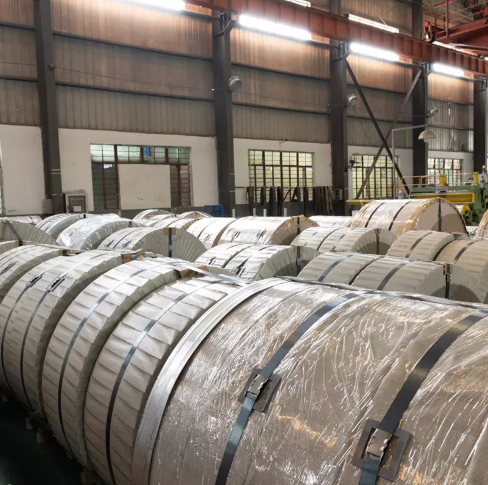
The uncoiler is essential in the steel slitting process. It unwinds the large steel coil carefully, ensuring it doesn’t get damaged. If the coil isn’t properly fed into the system, it can cause issues like coil distortion or misalignment. Precision in this step is crucial for smooth processing.
Rotary knives are at the heart of the slitting process. These sharp, circular blades cut the steel coil into narrow strips. Precision is key here; the knives must be positioned perfectly to achieve consistent width and clean cuts. Any misalignment can lead to poor quality slits, which can affect the final product.
After slitting, the recoiler takes over. It rewinds the narrow strips into coils. Maintaining the right tension is critical during this process to prevent defects like edge damage or uneven winding. Advanced tension control systems ensure that the recoiled coils are smooth and well-formed for easy handling and transportation.
Customizing Steel Widths:
Steel slitting allows manufacturers to cut steel into narrow strips tailored to specific dimensions. This ensures the steel fits perfectly for its intended applications, whether for automotive, construction, or other industries.
Enhanced Quality and Reduced Waste:
Precision slitting helps minimize material waste by cutting steel coils accurately to the required widths. The process also improves product consistency, ensuring that every strip meets strict quality standards.
Cost-Effectiveness of Steel Slitting:
By improving efficiency and reducing the need for secondary cutting, slitting lowers material costs and boosts productivity. This process helps manufacturers save time and money while increasing output.
Steel slitting comes in various forms, each designed to meet specific manufacturing needs. Here's an overview of the most common techniques:
Slitting Hot-Rolled Steel:
Hot-rolled steel is known for its versatility. It's commonly used in applications like automotive parts, construction, and structural components. The slitting process for hot-rolled steel ensures the material is cut into manageable strips that retain strength and durability for heavy-duty .
Cold-Rolled Slitting:
Cold-rolled steel provides higher precision and smooth finishes, making it ideal for applications that require tight tolerances. This technique is widely used for parts in the automotive and appliance industries, where consistency and flatness are Cold-rolled slitting creates strips with better dimensional accuracy compared to hot-rolled steel.
Coated Steel Slitting:
Coated steel, such as galvanized or zinc-coated steel, is essential for applications where corrosion resistance is crucial. This type of slitting is commonly used for roofing, siding, and other outdoor structures. The coating not only prevents rust but also extends the life of the steel in harsh environments.
Automation in Slitting:
Modern automated systems have revolutionized steel slitting, improving both precision and speed. Automated machinery reduces human error and increases production efficiency. These systems ensure tighter tolerances and a more consistent product, which is crucial for industries requiring high-quality steel strips.
Advanced Slitting Blades and Tools:
Advances in blade materials and coatings have led to sharper, longer-lasting slitting knives. These innovations reduce the need for frequent blade replacements and improve cutting accuracy. As a result, the steel slitting process becomes more cost-effective and efficient, reducing downtime and scrap.
Sensors and Computer Controls:
Smart technology plays a pivotal role in steel slitting. Sensors and computer controls continuously monitor the process, ensuring that the material is cut to exact specifications. This technology also helps reduce downtime by detecting and correcting issues before they cause major problems, keeping the slitting line running smoothly.
Reducing Waste Through Precision:
Precision slitting is key to minimizing material waste. By cutting steel coilsto exact specifications, manufacturers reduce the amount of scrap generated during the slitting process. With tighter tolerances and improved cutting accuracy, it’s possible to make the most out of each coil, ensuring minimal waste and more efficient use of resources.
Energy Efficiency in Slitting:
Advances in slitting technology also focus on reducing energy consumption. By utilizing automated systems, optimized machine settings, and efficient motors, slitting lines can reduce their energy footprint. Modern machines also employ eco-friendly technologies that lower power usage while maintaining high performance, making the process more sustainable.
Automotive Manufacturing:
Slit steel is crucial for making vehicle parts, like structural brackets and body panels. These components require precise dimensions and smooth edges, both of which are ensured by the steel slitting process. With high-quality slit steel, manufacturers can meet strict safety and performance standards.
Construction and Infrastructure:
Slit steel plays a significant role in producing construction materials such as roofing sheets, rebar, and structural supports. The precision and durability of slit steel make it ideal for use in infrastructure projects, ensuring long-lasting and reliable construction materials.
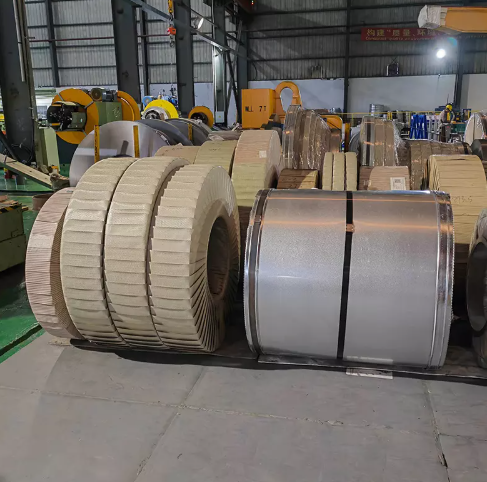
Slit steel plays a crucial role in manufacturing home appliances like refrigerators, washing machines, and HVAC systems. The precision of steel slitting ensures that parts used in these products are accurately shaped and dimensioned for optimal performance.
Refrigerators: Slit steel is used in the creation of shelves, panels, and structural frames. Its ability to provide durability while maintaining lightweight properties makes it ideal for these applications.
Washing Machines: Steel slitting ensures the production of high-quality components like drum supports and housings. The precision in width and thickness supports the durability of these parts, ensuring long-lasting performance.
HVAC Systems: Steel slitting is essential in creating ducts, heat exchangers, and other HVAC components. The precise dimensions help optimize air flow, energy efficiency, and overall system performance.
In these industries, slit steel’s reliability and accuracy in manufacturing are key to ensuring product safety and functionality.
Green Steel and Sustainable Manufacturing:
As industries move towards sustainability, steel slitting is evolving. Environmental concerns push for greener steel slitting practices. The future includes more energy-efficient equipment, reducing waste, and incorporating eco-friendly coatings. Innovations like recycling scrap steel and using renewable energy are becoming crucial in reducing the carbon footprint of steel production.
Technological Advancements in Steel Slitting Equipment:
Automation and precision are driving the next phase in steel slitting. The integration of AI and machine learning helps improve slitting accuracy and efficiency. Modern machines use sensors and advanced software to fine-tune operations, reducing waste and enhancing precision. These advancements promise faster production speeds and higher-quality slits, making it easier to meet growing demand.
Steel slitting is a vital process for producing precise steel strips used in various industries. It offers benefits like customization, waste reduction, and enhanced product quality. Advancements in technology, like automation and green steel practices, are shaping the future. These innovations promise more efficient, sustainable, and cost-effective steel slitting operations.
A: Steel slitting involves cutting wide steel coils into narrower strips using rotary knives. This process ensures precise width and edge quality for various applications.
A: Key equipment includes the uncoiler, slitter with rotary knives, and recoiler. These components work together to efficiently process and package steel strips.
A: Precision steel slitting offers benefits like reduced material waste, enhanced product quality, and cost efficiency, making it essential for various manufacturing sectors.


