


Views: 0 Author: Site Editor Publish Time: 2025-05-28 Origin: Site


Transformer cores are at the heart of electrical transformers, playing a fundamental role in the efficient conversion and transmission of electrical energy. Transformers are vital for stepping up or stepping down voltage to ensure that power can be transmitted over long distances or used in specific applications with the correct voltage. The Dry Type Transformer Core, in particular, is a critical component in electrical distribution systems, where safety, performance, and efficiency are paramount. In this article, we will explore the function of transformer cores, with a specific focus on Dry Type Transformer Cores, examining their design, advantages, and how they contribute to the overall efficiency of transformers.
A transformer core is a magnetic component that facilitates the transfer of electrical energy between the primary and secondary windings of a transformer. By providing a path for the magnetic flux generated by the alternating current (AC) in the primary winding, the core ensures that energy is efficiently transferred to the secondary winding, which in turn powers the electrical devices or systems connected to the transformer. The transformer core is typically made of high-quality magnetic materials, such as silicon steel or amorphous steel, which have high permeability to magnetic flux. These materials help to maximize the efficiency of the transformer.
The Dry Type Transformer Core is a variation of transformer cores used in non-oil-based transformers. Unlike oil-immersed transformers that require a cooling system involving oil, Dry Type Transformer Cores are cooled through natural convection or forced air cooling. This makes them safer for use in indoor settings where fire risk and oil leakage are concerns. In these transformers, the core plays a vital role in ensuring efficient energy conversion, and its function is influenced by several design elements.
One of the core functions of a transformer core is to serve as the medium through which electromagnetic energy is converted from one voltage level to another. By guiding the magnetic flux between the primary and secondary windings, the core ensures that energy is transferred with minimal losses. The energy conversion process involves the magnetic field created by the current in the primary winding inducing a voltage in the secondary winding, which is then used to power connected devices.
The Dry Type Transformer Core is specifically designed to perform this function efficiently without the need for oil-based cooling, making it ideal for environments where safety is a priority. The core’s material and design are critical for minimizing energy losses during this conversion process, ensuring the transformer operates at maximum efficiency.
A key role of the transformer core is to conduct the magnetic flux generated by the primary winding to the secondary winding. The core is designed to provide a low-resistance path for the magnetic flux, which maximizes the transfer of energy. The core material, often made from silicon steel or other high-permeability metals, has a high magnetic permeability, meaning it can efficiently conduct the magnetic field with minimal resistance.
For Dry Type Transformer Cores, the design typically involves lamination, which helps reduce energy losses due to eddy currents. The lamination process divides the core into thin sheets that are insulated from each other, which limits the formation of eddy currents and ensures the transformer operates with greater efficiency.
A shell-type transformer core is designed with a rectangular cross-section, where the core surrounds the windings like a shell. This type of core has yokes that help reduce losses caused by leakage flux. The structure of the shell-type core is ideal for transformers that need to handle high-current applications, and it is commonly used in Dry Type Transformer Cores due to its excellent mechanical stability and reduced losses.
Advantages of shell-type cores include:
Fewer lamination specifications, simplifying the manufacturing process.
Reduced leakage flux, which enhances energy efficiency.
In contrast to the shell-type core, the core-type core has a stepped cylindrical cross-section, with windings surrounding the core limb. This type of design allows for better short-circuit stability and makes insulation management between the windings and core easier. Core-type cores are widely used in transformers, including those with Dry Type Transformer Cores.
Advantages of core-type cores include:
Multiple lamination specifications, which contribute to higher flexibility in design.
Easier insulation management, leading to better long-term performance in various operational conditions.
Laminated transformer cores are constructed by stacking thin sheets of electrical steel, each insulated from one another. This design helps to reduce the formation of eddy currents, which can cause significant energy loss. The lamination of the core plays a key role in the efficiency of the transformer, especially in Dry Type Transformer Cores, where minimizing energy loss is essential for optimal performance.
Key benefits of laminated cores include:
Reduced eddy current losses.
Improved magnetic permeability, ensuring better energy transfer.
Better thermal management due to the segmented design, which helps dissipate heat.
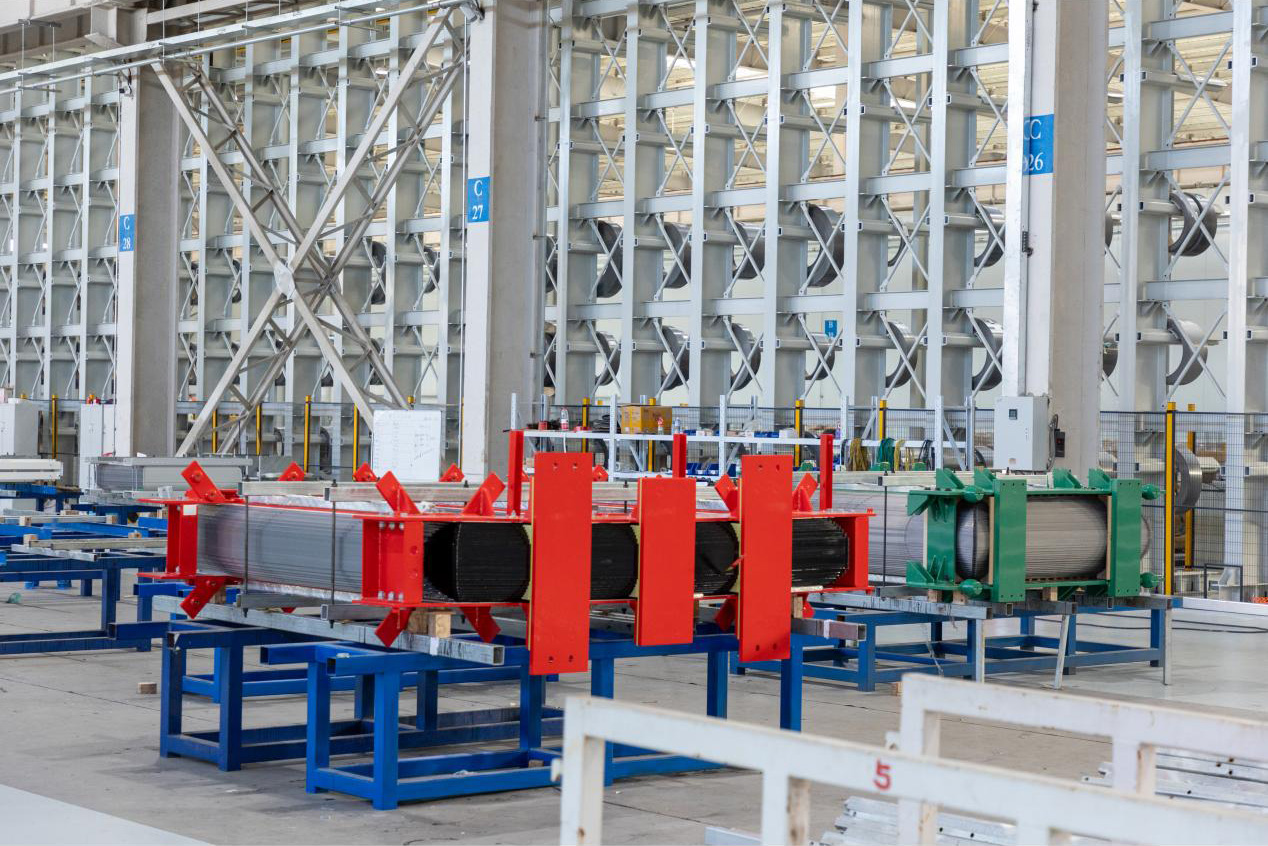
Eddy currents are induced in the core material when it is exposed to a changing magnetic field. These circulating currents generate heat and contribute to energy losses. Laminating the core material, as seen in Dry Type Transformer Cores, reduces the flow of eddy currents by creating insulated layers between the sheets of steel. This minimizes the heat generated and improves the efficiency of energy transfer.
The reduction of eddy currents in laminated cores leads to less power loss, ensuring that the transformer operates efficiently. By using high-quality materials like silicon steel, transformer cores are able to reduce the resistance to magnetic flux, further enhancing efficiency.
Hysteresis losses occur when the magnetic field in the core material is constantly reversed by the alternating current. This process requires energy to magnetize and demagnetize the core, and that energy is dissipated as heat. Laminated cores help minimize hysteresis loss by segmenting the magnetic path, which reduces the magnetic flux density and helps lower energy consumption.
For Dry Type Transformer Cores, minimizing hysteresis loss is crucial because it ensures the transformer operates with minimal energy wastage, extending the lifespan of the transformer while enhancing its overall performance.
Magnetic permeability is the ability of a material to conduct magnetic flux. The higher the permeability, the better the core will conduct the magnetic field, which directly affects the efficiency of energy transfer between the windings. Laminating the core material enhances magnetic permeability by localizing the magnetic flux path, allowing for more efficient energy conversion.
In Dry Type Transformer Cores, high magnetic permeability ensures better coupling between the primary and secondary windings, reducing leakage flux and improving overall efficiency. This results in a transformer that is more energy-efficient and capable of handling varying load conditions effectively.
Effective thermal management is essential for maintaining the performance and longevity of transformers. Laminated cores help reduce the amount of heat generated within the transformer, thanks to their ability to minimize energy losses. The increased surface area created by the lamination also helps with heat dissipation, ensuring that the transformer remains within safe operating temperatures.
For Dry Type Transformer Cores, thermal management is especially important since they do not rely on oil-based cooling systems. Instead, they depend on natural air convection or forced cooling, making the design of the core and the materials used even more critical to efficient operation.
The transformer core provides structural support for the windings, ensuring that they remain properly aligned during operation. This structural integrity is crucial in preventing mechanical stress or vibration from affecting the performance of the transformer. For Dry Type Transformer Cores, maintaining this stability is especially important, as these transformers are often used in indoor environments where space is limited, and mechanical vibrations can have a significant impact.
Transformers can produce significant noise due to the vibrations caused by magnetostriction, a phenomenon where the core material expands and contracts in response to the magnetic field. Laminating the core helps reduce these vibrations by isolating them within the layers, thus minimizing noise and making the transformer quieter during operation.
For Dry Type Transformer Cores, reducing noise is particularly beneficial, as these transformers are often used in urban and residential areas where noise pollution can be a concern.
The Dry Type Transformer Core plays a pivotal role in the efficient operation of modern transformers. Through the use of laminated cores, transformers can reduce energy losses due to eddy currents and hysteresis, enhance magnetic permeability, manage heat more effectively, and provide better structural stability. These benefits make laminated cores a critical component in transformer design, particularly in Dry Type Transformer Cores, where safety, performance, and efficiency are paramount.
At Shanghai Jisco, we specialize in the design, manufacturing, and supply of high-quality Dry Type Transformer Cores that ensure maximum efficiency, reliability, and durability. Our laminated cores are engineered to meet the highest standards of performance and are used in a wide range of applications across industries. For more information or to consult with our experts about your transformer needs, contact Shanghai Jisco today.


